
Favorite Demolition Service Products for Efficient Job Completion
Identify the most trusted tools and machinery that support quick and safe demolition procedures.
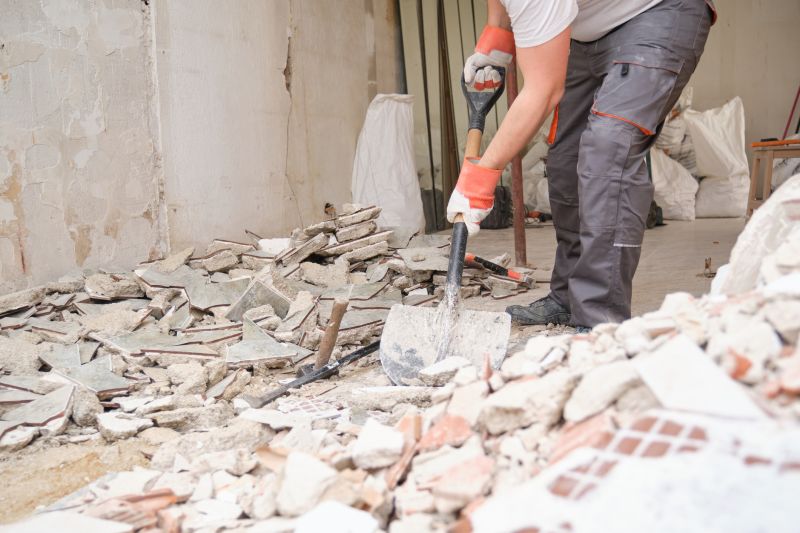 Demolition services in Pensacola, FL, require a diverse array of tools and equipment to handle various project scopes, from small interior tearing down to large-scale structural demolitions. Selecting the right products ensures safety, efficiency, and adherence to local regulations. Whether working on residential, commercial, or industrial sites, having reliable, durable, and versatile demolition tools is essential for achieving desired outcomes.
Types of Products For Demolition Service
Jackhammers
Portable pneumatic or electric tools used for breaking up concrete and hard surfaces.
Hydraulic Breakers
Heavy machinery attachments designed for larger demolition tasks involving concrete and stone.
Sledgehammers
Manual tools ideal for smaller demolition tasks and breaking through softer materials.
Pry Bars and Crowbars
Leverage tools used for pulling apart structures and removing nails or fixtures.
Reciprocating Saws
Electric or pneumatic saws suitable for cutting through wood, metal, and drywall in demolition projects.
Concrete Saws
Specialized saws equipped with diamond blades for cutting concrete and masonry.
Dust Extraction Systems
Equipment designed to control dust generated during demolition to promote safety and cleanliness.
Safety Gear
Protective equipment such as helmets, gloves, eye protection, and masks essential for worker safety.
Wheelbarrows and Material Carts
Tools for transporting debris efficiently around the work site.
Concrete Crushers
Machines used for crushing and recycling concrete debris into manageable pieces.
Scaffolding and Ladders
Support structures that provide safe access to elevated demolition areas.
Vacuum and Debris Collectors
Equipment to collect dust and small debris, maintaining a cleaner work environment.
Air Compressors
Power sources for pneumatic tools used in demolition tasks.
Portable Lighting
Lighting solutions to ensure visibility in poorly lit demolition sites.
Measuring and Marking Tools
Tools for precise measurements and markings before demolition begins.
Popular Choices
Widely used for their ease of use and portability for various demolition tasks.
Popular for large-scale projects requiring powerful concrete and rock breaking.
Favored for their mobility and flexibility in cutting through different materials.
Essential protective gear that is commonly used on demolition sites.
Reliable manual tools often chosen for their simplicity and effectiveness.
Diamond blades are a top choice for precision and durability.
Popular for safeguarding workers against inhaling harmful dust particles.
Efficient for moving debris and materials around the site.
Trending for ensuring safe work conditions in low-light areas.
Commonly used for dismantling fixtures and removing nails.
Versatile tools for drilling and demolition-related tasks.
Popular for maintaining cleanliness and safety during demolition.
Frequently used for accessing elevated demolition zones.
Increasingly chosen for onsite concrete recycling and waste reduction.
Common protective gear for hand safety during demolition.
In the realm of demolition, safety gear is paramount. Protective equipment such as helmets, gloves, eye protection, and respiratory masks help safeguard workers from debris and dust. Heavy machinery like jackhammers, demolition hammers, and hydraulic breakers are commonly used for breaking concrete, brick, and other tough materials. Hand tools, including sledgehammers, pry bars, and chisels, are indispensable for detailed work and smaller tasks.
Power tools with high torque and durability are favored for their ability to handle demanding jobs without frequent breakdowns. Additionally, accessories such as demolition blades, bits, and attachments expand the versatility of core equipment. Proper planning and selecting the right products tailored to the specific demolition project can streamline operations, minimize risks, and improve overall productivity on-site.
Key Buying Considerations
- Project scale and scope to determine the appropriate size and power of equipment.
- Material types involved, such as concrete, brick, or metal, influencing tool selection.
- Power source preferences, including electric, pneumatic, or hydraulic options.
- Portability needs based on site layout and accessibility.
- Safety features and compliance with local safety standards.
- Durability and build quality to withstand demanding demolition conditions.
- Ease of use and ergonomic design for worker comfort and efficiency.
- Availability of replacement parts and maintenance support.
- Compatibility with existing tools and accessories.
- Budget constraints balanced with quality and performance.
- Dust and debris control features to maintain a safe work environment.
- Noise levels, especially in sensitive or occupied areas.
- Environmental considerations, such as dust suppression or waste management.
- Training and user manuals available for proper operation.
- Warranty and customer support from the supplier.